Most Growth Stories Skip the Messy Middle
Every startup success case study you read online tends to jump straight from “we had an idea” to “we hit a million dollars in revenue,” skipping the confusing, uncertain middle where most of the real decisions happened. That gap is exactly where the useful lessons live.
Let’s walk through a realistic composite case — based on patterns seen across several D2C and SaaS startups — of how a small team actually scaled from a shaky first year to consistent seven-figure revenue.
The Rocky First Year Nobody Talks About
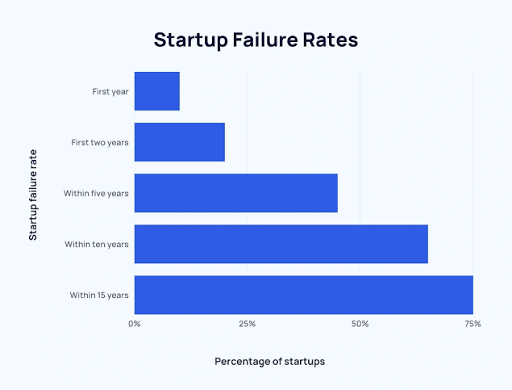
Direct answer: Most startups that eventually scale successfully spent their first 12-18 months pivoting at least once, often multiple times, before finding a version of the product customers actually wanted to pay for repeatedly.
In this case, the founders launched with a broad productivity app aimed at “everyone,” got lukewarm traction, and nearly shut down before narrowing their focus to freelance project managers specifically — a much smaller, but far more committed, audience.
The Pivot That Changed Everything
Rather than trying to serve every type of user, the team interviewed 40 actual freelancers about their daily workflow pain points. This single research effort revealed a specific, underserved need around invoice tracking that competitors handled poorly.
This is a pattern that repeats across countless successful startups: narrowing focus, counterintuitively, often accelerates growth rather than limiting it.
Building the First 100 Paying Customers
Instead of broad advertising, the founders personally onboarded their first 100 customers, spending time on calls understanding exactly how the product was being used — and misused.
- They fixed the top 3 friction points mentioned repeatedly in these calls
- They asked every satisfied early user for a specific, detailed testimonial
- They built a simple referral incentive rewarding both the referrer and new customer
[link to related guide on how a failed business turned profitable here]
Scaling From 100 to 10,000 Customers
Once the product-market fit was clearer, the team invested in content marketing targeting specific freelancer pain points, alongside a modest paid ad budget that scaled only as conversion data improved. Growth here was steady, not explosive — roughly 15-20% month-over-month for about a year.
The Team and Culture Decisions That Mattered
Hiring slowly and deliberately, prioritizing people who could operate with minimal oversight, made a noticeable difference as the team grew from 4 to around 30 people. Several founders in similar situations have noted that hiring too fast, chasing growth targets, often creates more problems than it solves.
Key Lessons From This Growth Pattern
- Narrow focus early, even when it feels like limiting your market
- Talk to actual customers far more than seems necessary
- Scale spending only after data confirms what’s working
- Hire deliberately rather than rushing to fill headcount
Suggested image alt text: “startup team celebrating growth milestone in modern office”
FAQ
Q: What’s the most common reason startups fail to scale? Scaling too fast on unproven assumptions, particularly around marketing spend, before achieving genuine product-market fit.
Q: How long does it typically take a startup to scale to significant revenue? It varies widely, but many successful startups report 2-4 years from founding to reaching consistent seven-figure revenue.
Q: Is pivoting a bad sign for a startup? Not at all — many successful companies pivoted at least once before finding their strongest market fit.
Q: How important is talking to customers directly during early growth? Extremely important — direct customer conversations typically surface insights that data alone doesn’t reveal clearly.
Q: Should startups prioritize growth speed or sustainable systems first? Most successful scaling stories favor building sustainable systems and genuine product-market fit before chasing rapid growth.
Conclusion
This startup success case study highlights a pattern seen repeatedly: narrow focus, direct customer feedback, and disciplined scaling beat rushing toward growth metrics prematurely. If you’re building something right now, consider whether you’ve truly nailed a specific customer’s problem before trying to scale to everyone. Sometimes the slower, more deliberate path is actually the faster one.